
Holy Week in Cusco is a religious celebration that takes place during the last week of Lent, which begins
05/05/2023
Holy Week in Cusco is a religious celebration that takes place during the last week of Lent, which begins on Palm Sunday and ends on Easter Sunday. During this week, the city of Cusco is filled with celebrations, processions, and rituals commemorating the death and resurrection of Jesus Christ.
If you are interested in finding out more about this festivity, I recommend that you visit the city of Cusco during Holy Week.

Some of the activities carried out include:
The processions are a fundamental part of the Holy Week in Cusco. During this week, the city streets are filled with people following the religious images that are carried in procession. The most important of all the processions is that of Holy Monday, in which the image of the Lord of the Earthquakes "Señor de los Temblores" is carried through the streets of Cusco. This procession is considered one of the largest in Latin America.
During Holy Week in Cusco, various religious masses and rituals are held in the different churches of the city. One of the most important is the Misa del Pueblo, which is celebrated on Holy Thursday in the church of San Francisco. This mass is very popular among the inhabitants of Cusco, who go to the church to listen to the music and traditional songs that are interpreted during the ceremony.
During Easter in Cusco, it is also possible to enjoy the typical food of the region. All based on fish, seafood and vegetables, since during this week the consumption of red meat is prohibited according to religious customs.
This day marks the beginning of Holy Week and is celebrated all over the Christian world. During this day, various activities take place in Cusco that are part of the region's traditions. One of the most important is the procession of the palms, where the faithful carry palm branches and olive leaves that are blessed in the church and then carried in procession through the city streets. In addition, during Palm Sunday in Cusco, the representation of the triumphant entry of Jesus into Jerusalem is carried out, which is one of the most emblematic scenes of Holy Week. During this representation, the arrival of Jesus in Jerusalem mounted on a donkey is recreated, while the crowd welcomes him with palm branches and olive leaves. Another important activity that is carried out during Palm Sunday in Cusco is the decoration of churches and houses with palm branches and flowers, to receive divine blessing and protection.

Holy Monday is one of the most important days of Easter in Cusco, Peru. During this day, various religious and cultural activities are held in honor of Easter.
One of the main activities that takes place in Cusco on Holy Monday is the procession of the Señor de los Temblores. This procession is one of the most important and oldest in Latin America and it has been held since the 16th century.
Other religious activities that take place on Holy Monday include masses and ceremonies in the city's churches, as well as the Rosary in the Plaza de Armas.
In addition to religious activities, various cultural events are also held in Cusco on Holy Monday. One of the most outstanding is the Chicha Festival, which takes place in the district of San Sebastián. During this festival, chicha, a traditional fermented corn-based drink, is offered, accompanied by food and typical music.

Easter Tuesday is a day of great devotion in Cusco. The Mass of the Holy Oils is celebrated in the Cusco Cathedral, where the sacred oils that will be used throughout the year in the sacraments are blessed.
Holy Wednesday is known as "Confession Day" in Cusco. People go to confession to receive absolution before Holy Week. At night, the "Encuentro de las Imágenes" is held in the Plaza de Armas, where images of Christ and the Virgin Mary are placed together to represent their reunion after the Resurrection.
Another of the activities that take place in Cusco on Holy Wednesday is the procession of the Virgin of Sorrows. This procession, which is also very important in the region, consists of carrying an image of the Virgen de los Dolores through the streets of the city in a journey that begins at the church of La Merced and ends at the cathedral of Cusco.
Holy Thursday is known as the "Day of the Institution of the Eucharist and of the Washing of Feet."
One of the most important activities that take place is the Last Supper Mass, which is celebrated in the cathedral of Cusco. During this mass, the last supper that Jesus shared with his disciples before being crucified is commemorated, and the foot-washing ceremony is performed, in which the priest washes the feet of twelve people representing the twelve apostles.
Some Families eat the so-called twelve dishes, in commemoration of the last supper. Other families opt to do it on Holy Friday.

Holy Friday is a day of great devotion in the entire Christian world. In Cusco, a "Holy Sepulchre" procession is held, in which the image of the dead Christ is carried in a coffin adorned with flowers.
This procession begins at the Cathedral of Cusco and runs through the streets of the city.
In the cultural field, during Good Friday in Cusco the traditional Fair of Flowers and Plants, called in Quechua "Hampi Rantikuy" takes place in the Plaza de San Francisco.
At this fair, you can find various varieties of flowers and plants that are used to decorate processions and altars during Holy Week.

Holy Saturday or Saturday of glory, is a day of silence and reflection in Cusco. The Catholic Church considers it the day Jesus Christ rested in the tomb after his crucifixion.
At night, an Easter vigil is held in the Cathedral of Cusco.
Resurrection Sunday is the most important day of Holy Week in the entire Christian world. In Cusco, a Resurrection procession is held, in which the image of the risen Christ is carried through the streets of the city.
It is a day of joy and celebration for the Christians of Cusco and the whole world.
The Lord of Earthquakes is one of the most venerated religious images in the city of Cusco. Legend has it that the image of Cristo Moreno was painted by an Angolan slave in the seventeenth century. According to the story, an earthquake struck the city of Cusco in 1650, and the image of the Lord of Earthquakes was carried in procession through the streets of the city, stopping at the epicenter of the tremor. After the procession, the tremors stopped and the image was considered miraculous by the people of Cusco.

The procession of the Señor de los Temblores takes place every year on Holy Monday, and is one of the most important of Holy Week in Cusco. The image is carried on a litter from the Church of La Merced to the Cusco Cathedral. The procession is long and exciting, and the image is accompanied by music bands and crowds of worshipers who join the journey.
The procession begins around 3 in the afternoon, when the image of the Lord of the Earthquakes is taken from the Church of La Merced and placed on a wooden platform, covered with flowers and candles. The image is carried on the shoulders of the porters, and is followed by a crowd of faithful who carry candles and palm branches.
The route of the procession of the Lord of the Earthquakes stretches for several kilometers, and the image makes several stops in different churches and sacred places in the city. During the procession, scenes of great devotion and emotion can be seen, such as faithful who kneel and pray, and people who throw red flower petals known as "Ñucchu" as the image passes.

Finally, the procession arrives at the Cusco Cathedral, where the image is received with a solemn mass. After the mass, the image is taken back to the Iglesia de La Merced, where it is venerated by the faithful throughout the Holy Week.
The procession of the Señor de los Temblores is one of the oldest and most revered traditions of Holy Week in Cusco, and is an event that attracts thousands of faithful each year. The image of Señor de los Temblores is considered a protector of the city, and its procession is a moment of great emotion and devotion for the people of Cusco.
During Holy Week in Cusco, particularly during Holy Thursday and Good Friday, it is customary not to consume meat, so the dishes and desserts that are prepared are based on fish, shellfish, and vegetables.

That is why families in Cusco have the tradition of consuming a variety of sweet and savory dishes that together add up to 12. Doing it on Thursday or Good Friday according to the personal preference of each family.

Next, we will see the 12 most common dishes and desserts during Easter in Cusco:

Chupe de Camarones

These are some of the most common dishes and desserts during Easter in Cusco.
Likewise, Easter desserts and dishes in Cusco are a tradition deeply rooted in the gastronomic culture of the region, and each family has their own recipes and secrets to prepare them.
These sweets are a way to share and enjoy with the family during religious celebrations, and are a sample of Peru's rich cultural and culinary diversity.

With this we conclude that Easter in Cusco - Peru is a very important and vibrant celebration that combines elements of the Catholic religion and Andean traditions.
Visitors to Cusco during Holy Week can experience a variety of cultural and religious events, such as the Palm Sunday procession and the famous Lord of the Tremors procession on Holy Monday, which features the image of the Cristo de los Temblores. In addition, it is also an opportunity to try the typical food of the region and learn about the local culture in the craft markets and cultural events.
It is worth visiting Cusco during Holy Week because the city comes to life in a special way at this time of the year. Visitors can experience the emotion and devotion of the local people while immersing themselves in a rich culture and religion that has been passed down through the generations.
Plus, it's an opportunity to admire the Spanish colonial architecture and stunning views of the Andes mountains that surround the city. In short, Holy Week in Cusco is a unique and unforgettable experience that any traveler should experience at least once in their life!
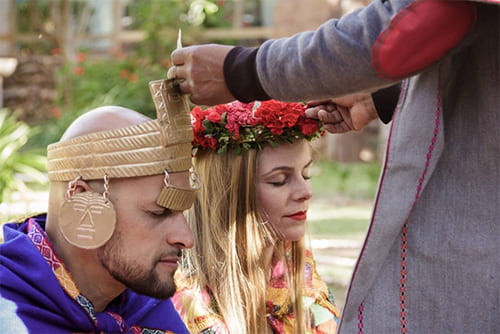
Andean Weddings
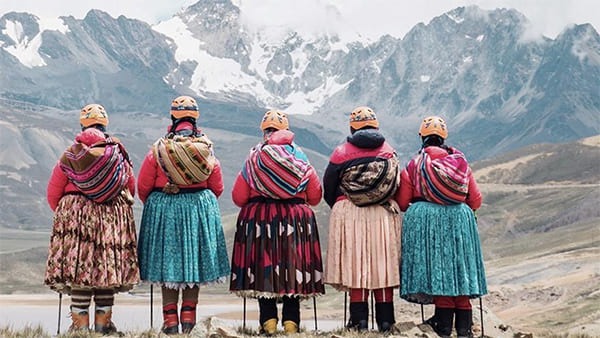
The Climbing Cholitas of Bolivia
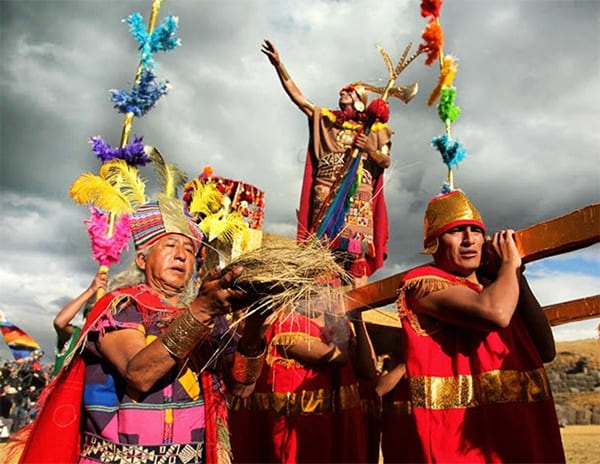
“INTI RAYMI”, the millenary feast of the Sun.
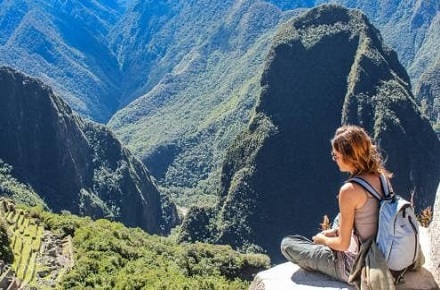
Lima, Paracas, Nazca, Arequipa, Puno, and Cusco - 14 Days This package is a comprehensive itinerary designed to explore the main tourist attractions of Peru.
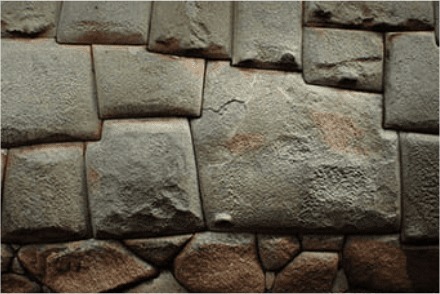
An 11-day, 10-night trip is an ideal package for you to discover the country's main tourist attractions.
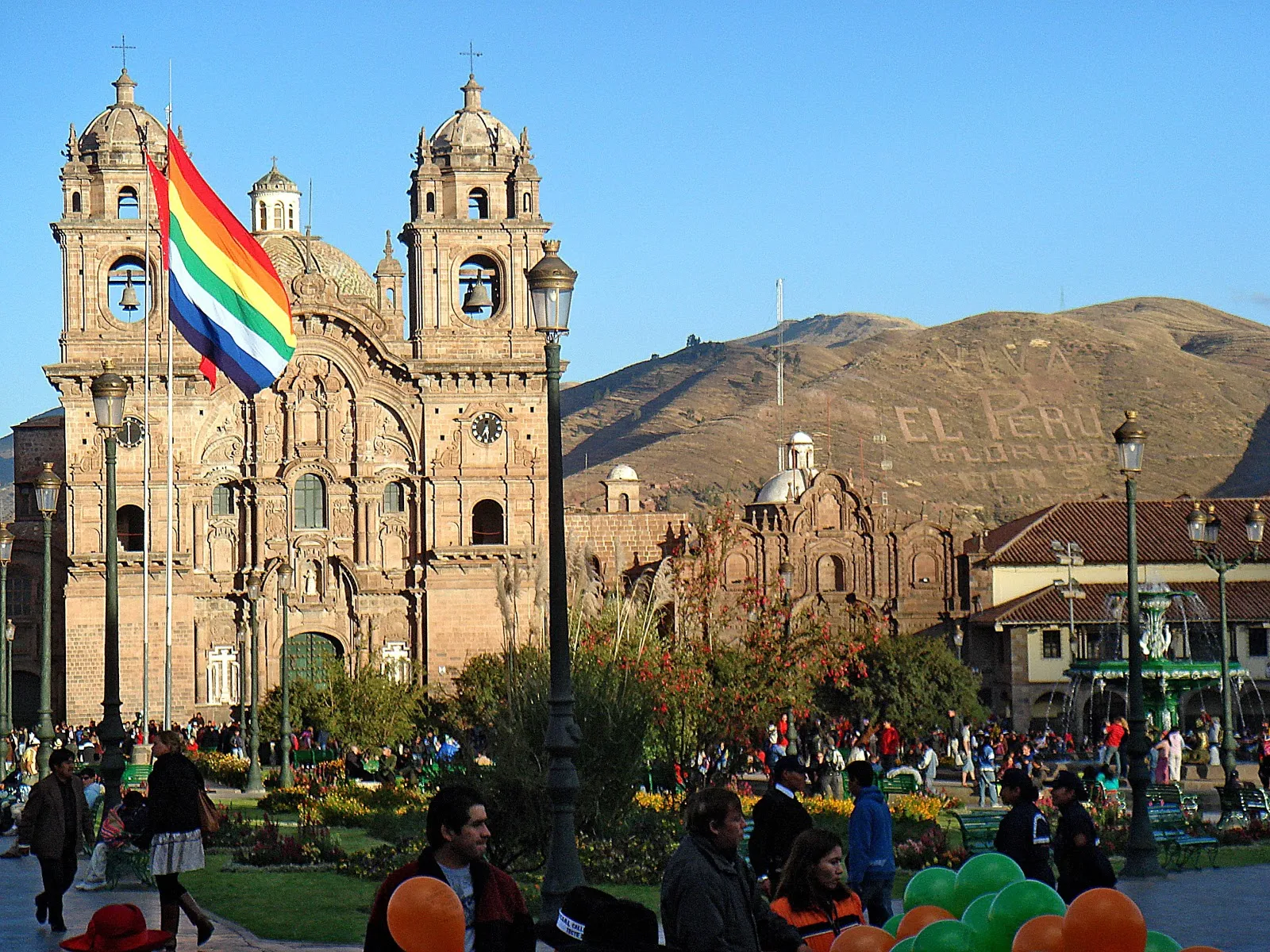
9 days, an ideal package to explore the main tourist attractions of the country.

This tour package and its itinerary take us to the main tourist spots in the Andean Region. The city of Cuzco, known as "the navel of the world and the empire of the Incas."